• वन विभाग
    BOKARO FOREST REGION
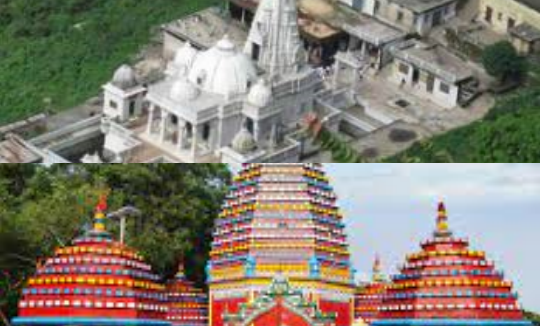
  • Parasnath Wildlife Sanctuary named after the famous Parasnathhills,
    stands with a glory of highest hill peak of Jharkhand (4480 ft) and located on the south east part of
    Giridih district at about 35 km awayfromdistrictheadquarterGiridih.

Save Our Forest

More trees should be planted to increase the forest cover. Trees should be selected according to the geographical conditions of a particular region and proper care should be taken during the growth of trees.

Save Our Water

Reduce the agricultural wastage of water by increasing the efficiency of irrigation.Reduce the domestic water wastage.Recycling of the used water.Promote rainwater harvesting.Reduce the domestic water wastage.Recycling of the used water.Promote rainwater harvesting.

Recycling is A Must

By reducing air and water pollution and saving energy, recycling offers an important environmental benefit: it reduces emissions of greenhouse gases, such as carbon dioxide, methane, nitrous oxide and chlorofluorocarbons, that contribute to global climate change.

About Bokaro Forest Region

The Bokaro Region is one of the six administrative regions of Jharkhand Forest Department and came into existence by bifurcation of Hazaribag region in the year 2013 . The region extends between Latitude 23⁰36′ to 23⁰48′ N and Longitude 85⁰ 12′ to 86⁰ 49′ E.

It consists of 5 forest divisions namely Bokaro, Dhanbad, Ramgarh, Giridih East and Giridih West forest divisions encompassing the forest area falling in 4 districts viz., Bokaro, Dhanbad, Ramgarh and Giridih districts of Jharkhand. The said five divisions have been organised in to 2 circles namely Bokaro Circle covering Bokaro, Dhanbad and Ramgarh divisions and Giridih Circle covering Giridih East and Giridih West Divisions.

Read More →
Physiography

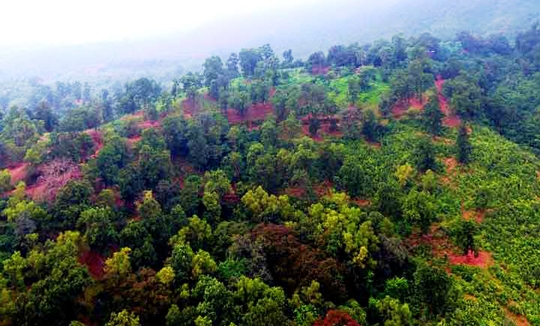
Bokaro region is known for its varied topography and rich mineral resources, is home to Giridih, Bokaro, Ramgarh, and Dhanbad districts, each with its own set of physiographical features. Most of these districts lie in the Chotanagpur plateau region, characterized by rolling topography, undulating hills, and rich mineral deposits.

Read More
featured project

FOREST MANAGEMENT

Forests of this Bokaro region are spread over the eastern part of the Hazaribagh plateau and lie mainly on its undulating slopes.

Read More
featured project

WILDLIFE MANAGEMENT

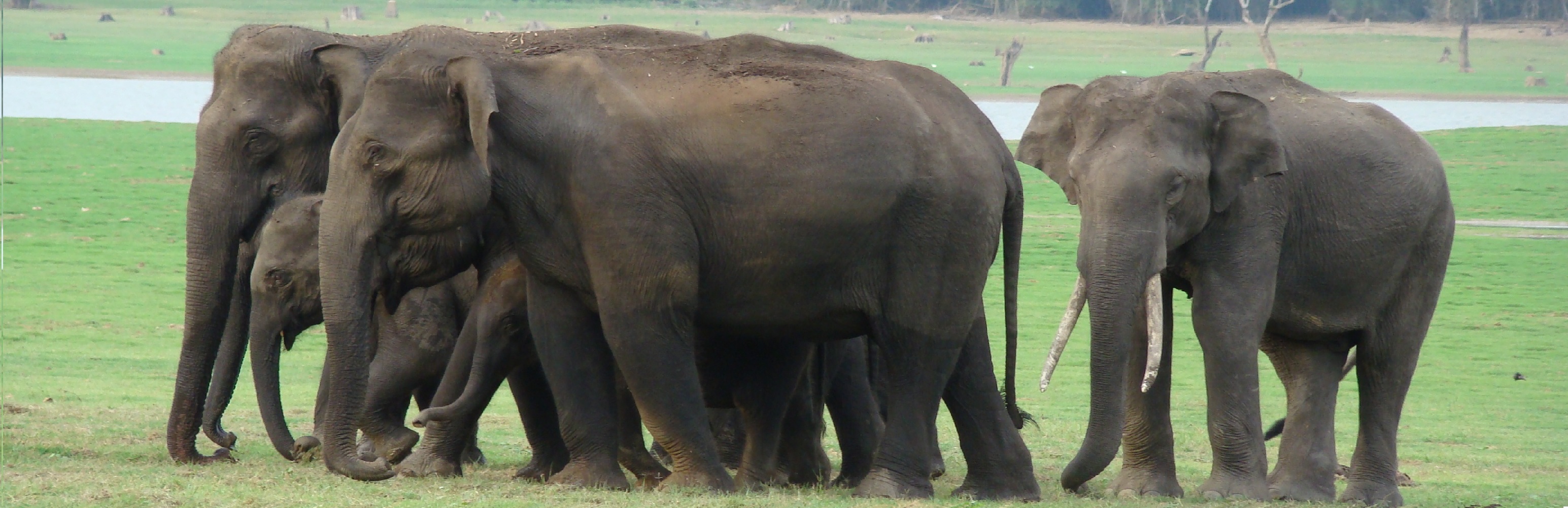
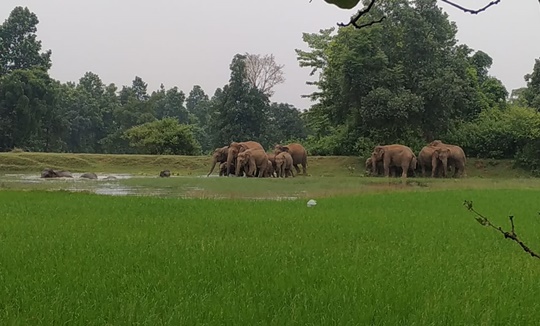
The region is home to a variety of mammal species including elephants, sloth bears, Indian pangolins, Indian wild dogs (dholes), spotted deer, sambar deer, langurs etc.

Read More
featured project

TOURISTIC ATTRACTIONS

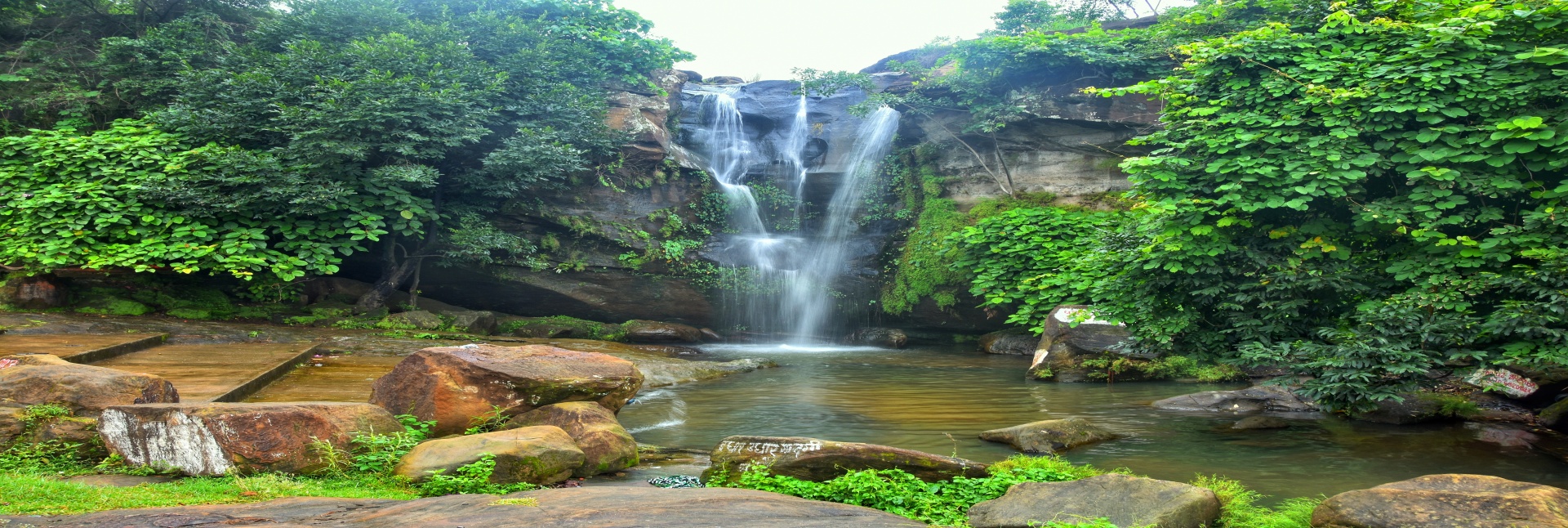
Bokaro region is endowed with natural beauty, cultural heritage, and industrial attractions. Ramgarh, Dhanbad, Bokaro and Giridih districts falling in the region boast a myriad of natural wonders, scenic spots and places of cultural significance.

Read More

Do you want to know more?

Mining & Impact Mitigation

Mining in Bokaro, Dhanbad, Ramgarh, and Giridih districts, located in the state of Jharkhand, India, has a significant impact on both the economy and the environment of the region. These districts are rich in mineral resources, particularly coal, and have witnessed extensive mining activities over the years and contribute significantly to the country's coal production. For instance, Dhanbad, often referred to as the "Coal Capital of India," has a long history of coal mining. The district has numerous coal mines, both underground and open-cast, which have had a profound impact on the region's landscape. Similar is the situation in Bokaro and Ramgarh Districts.

Read More